Water Line Replacement in Denver, CO
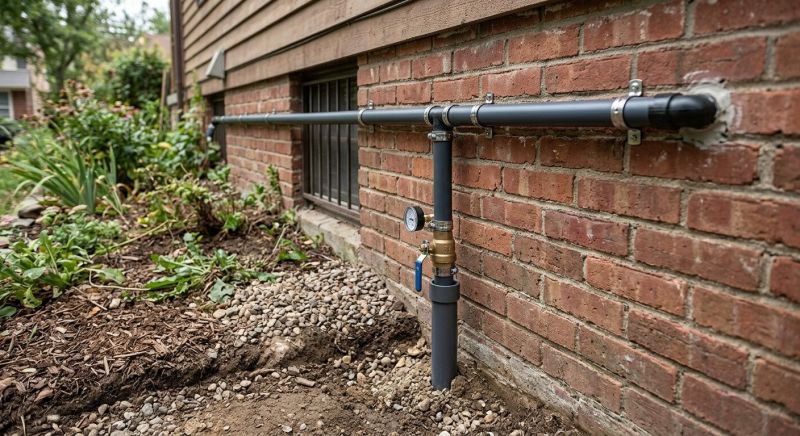
Water line replacement services involve removing and installing new water supply lines to ensure reliable and efficient water flow throughout a property. This type of project typically addresses issues such as aging pipes, frequent leaks, low water pressure, or the need to upgrade to modern pipe materials. Property owners often request this service when experiencing persistent plumbing problems or when planning major renovations that require a comprehensive update of the water supply system.
Before requesting water line replacement, property owners usually want to understand the scope of the work, including which sections of piping will be affected and how the replacement may impact daily water usage. It’s also helpful to know the types of materials used for new pipes and how long the process might take. Clear communication about the condition of existing lines and the goals for the upgrade can assist in planning and ensuring the project meets the property’s needs effectively.
Many property owners in Denver, CO look into Water Line Replacement for repairs, replacements, upgrades, and appearance-related improvements.
Signs You Need A Water Line Replacement
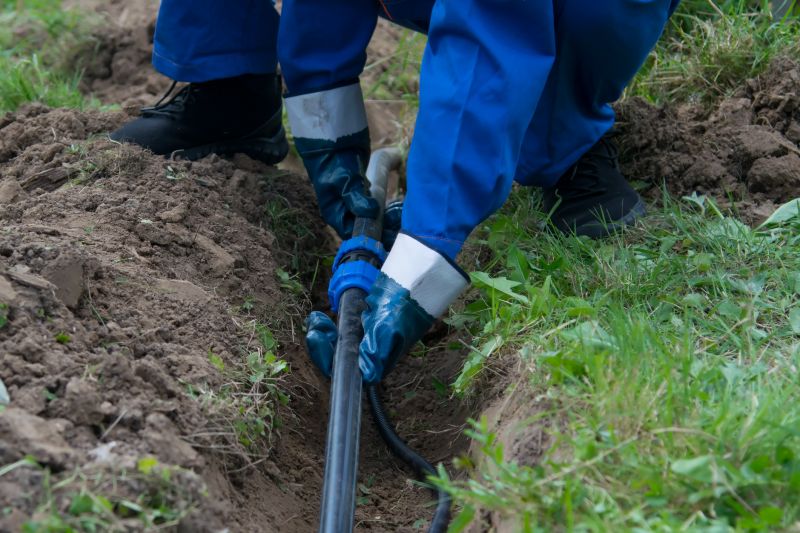
Persistent leaks, low water pressure, or discolored water can indicate the need for pipe replacement.
Benefits Of Replacing Water Lines
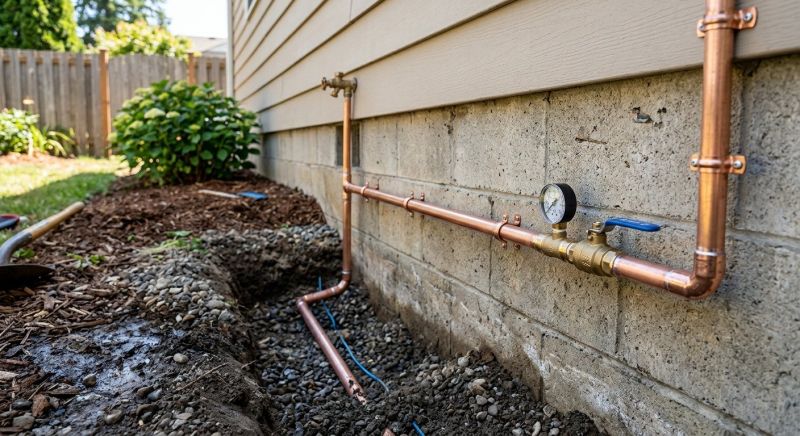
Upgrading aging pipes can improve water quality and prevent costly repairs down the line.
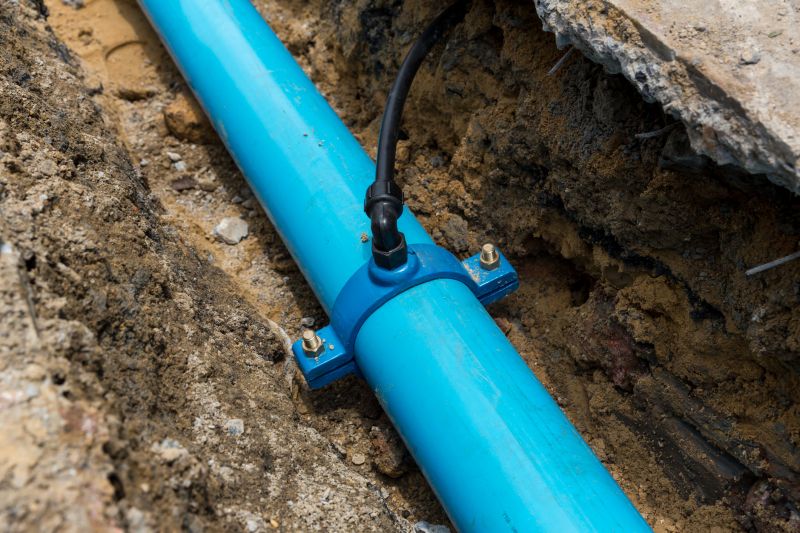
Common Replacement Methods
Options include trenchless repairs and traditional excavation, depending on the property and pipe condition.
Water Line Replacement in Denver, CO
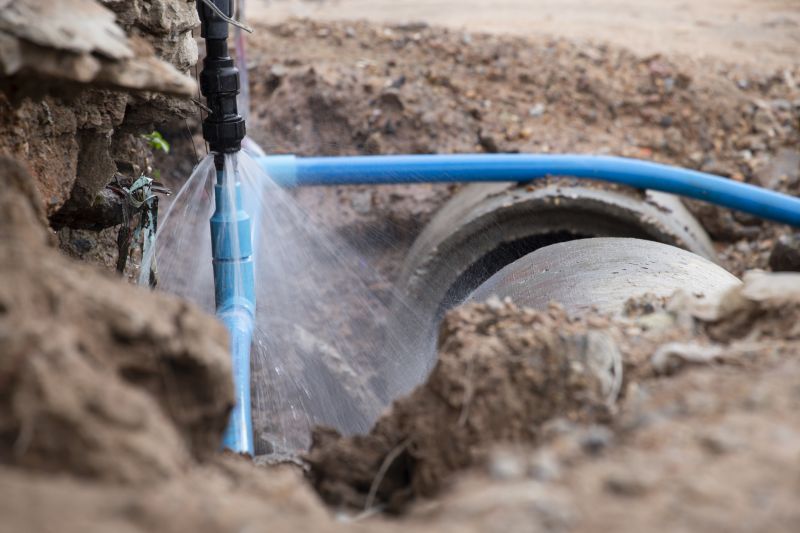
Water line replacement services involve removing and installing new water supply lines to ensure reliable and efficient water flow throughout a property. This type of project typically addresses issues such as aging pipes, frequent leaks, low water pressure, or the need to upgrade to modern pipe materials. Property owners often request this service when experiencing persistent plumbing problems or when planning major renovations that require a comprehensive update of the water supply system.
Before requesting water line replacement, property owners usually want to understand the scope of the work, including which sections of piping will be affected and how the replacement may impact daily water usage. It’s also helpful to know the types of materials used for new pipes and how long the process might take. Clear communication about the condition of existing lines and the goals for the upgrade can assist in planning and ensuring the project meets the property’s needs effectively.
Many property owners in Denver, CO look into Water Line Replacement for repairs, replacements, upgrades, and appearance-related improvements.
Common Water Line Replacement Jobs
Water line replacement involves removing old or damaged pipes to ensure reliable water flow throughout a property.
Residential water line replacement addresses issues like leaks or low water pressure in homes.
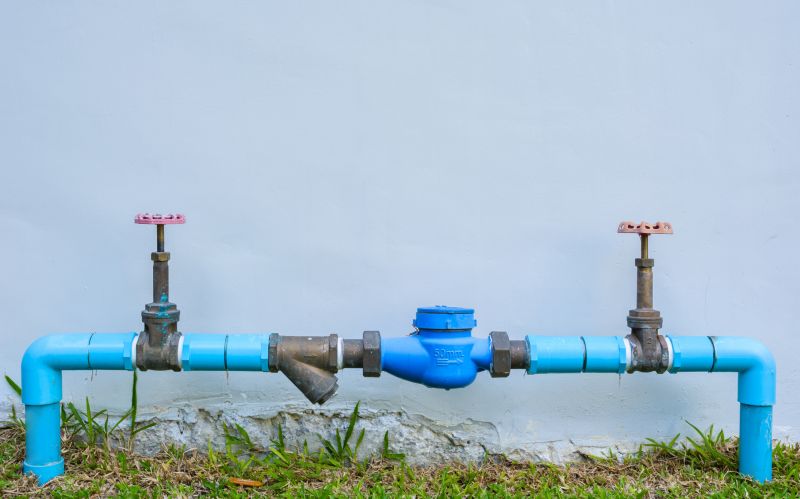
Main water line replacement upgrades or repairs the primary pipe supplying water to the entire property.
Underground water line replacement involves replacing pipes buried beneath the yard or driveway.
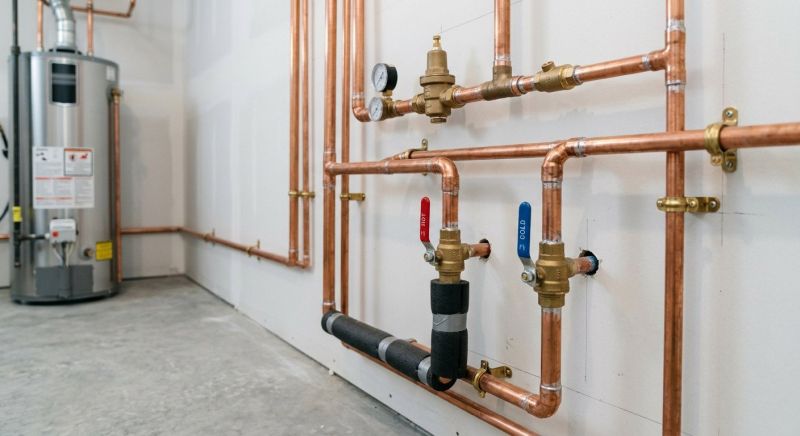
Indoor water line replacement updates pipes inside the home to prevent leaks and improve water quality.
Emergency water line replacement provides urgent repairs for sudden pipe failures or major leaks.
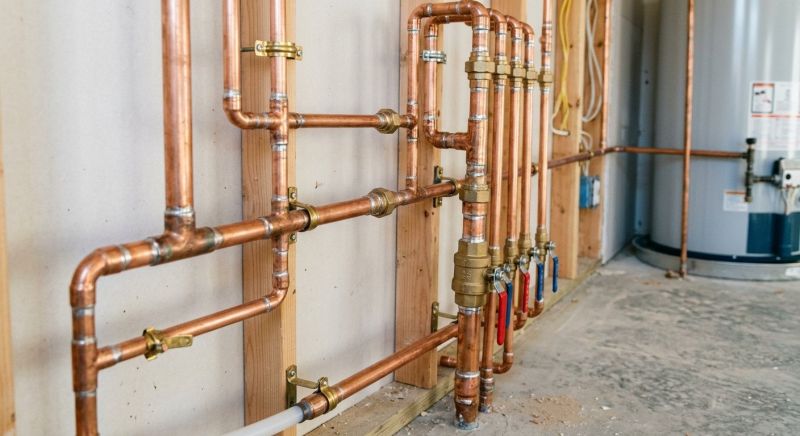
Water Line Replacement Questions
What signs indicate a water line may need replacement? Signs include low water pressure, frequent leaks, or discolored water coming from faucets.
Why is water line replacement necessary? Replacement is needed to prevent leaks, improve water quality, and ensure reliable water supply.
What types of water lines are commonly replaced? Commonly replaced lines include service lines made of aging materials like cast iron or polybutylene.
How can property owners prepare for a water line replacement? Clearing access to the area and informing household members can help facilitate the process.
Request Water Line Replacement in Denver, CO
Use the quote form on this page to share the basics of your project and request more information for the type of work you need.